
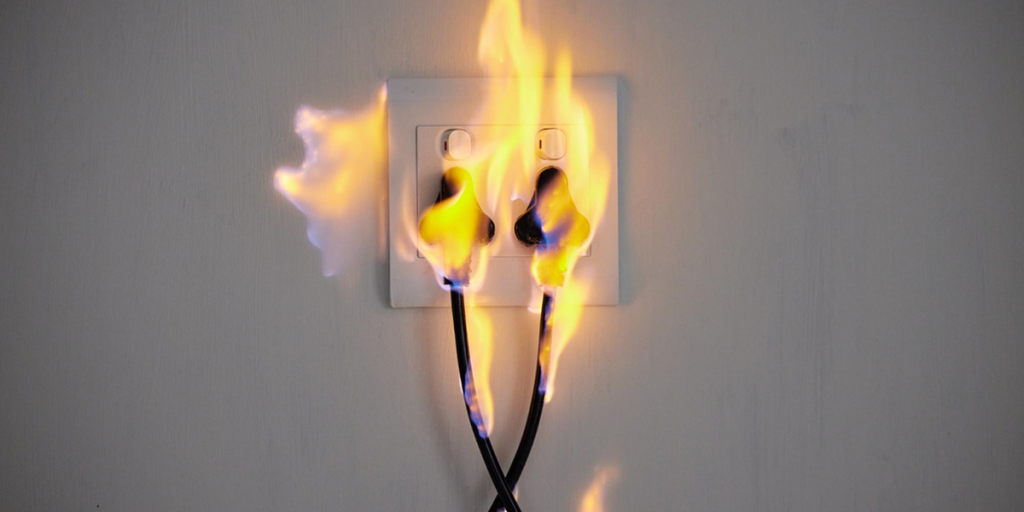
Top Electrical Safety Tips for Your Daily Usage
Avoid hazards by following safety tips. Protect devices, reduce risks, and keep your family and property secure.
Electricity is essential in everyday life, but it can be dangerous if not used correctly. Many electrical accidents in homes and workplaces are caused by simple habits that are easy to avoid.
By following basic electrical safety practices, you can reduce the risk of electric shock, fires, and damage to appliances. Below are practical, easy‑to‑follow electrical safety tips for daily use, suitable for homes, rental properties, and small businesses.
Do Not Overload Plug Sockets
One of the most common causes of electrical problems is overloaded sockets. Plugging too many appliances into a single outlet can cause overheating and increase the risk of fire. High‑power appliances such as heaters, kettles, microwaves, and washing machines should always be plugged directly into a wall socket rather than an extension lead.
If you regularly rely on extension leads or multi‑plug adaptors, it may be a sign that you need additional sockets installed. A qualified electrician can add extra outlets safely and reduce strain on your existing wiring.
Check Cables and Plugs Regularly
Damaged cables and plugs are a major safety hazard. Frayed wires, cracked plugs, and loose connections can all lead to electric shock or fire. Make it a habit to visually check leads and plugs, especially on frequently used appliances.
If you notice damage, stop using the appliance immediately and have it repaired or replaced. Never attempt to fix damaged cables with tape, as this does not provide proper insulation or protection.
Keep Electrical Items Away from Water
Water and electricity are a dangerous combination. Electrical appliances should always be kept well away from sinks, baths, and other water sources. This is especially important in kitchens, bathrooms, and utility rooms.
When using appliances such as hairdryers or electric shavers, make sure your hands are dry and the area is safe. Bathroom and outdoor electrical installations should always be designed and installed by a qualified electrician to meet strict safety requirements.
Turn Off and Unplug Unused Appliances
Leaving appliances plugged in when not in use can increase wear and waste energy. While many modern devices use very little power on standby, unplugging unused items reduces the risk of overheating and electrical faults.
This is particularly important for appliances that generate heat, such as irons, heaters, and toasters. Turning off and unplugging devices before going to bed or leaving the house is a simple safety habit.
Use the Correct Fuses and Circuit Breakers
Fuses and circuit breakers are designed to protect your electrical system. Always use the correct fuse rating for plugs and never replace a fuse with one of a higher rating. Doing so can prevent the fuse from blowing when it should, increasing the risk of fire.
If your circuit breakers trip frequently, this could indicate an underlying electrical problem. A qualified electrician can identify the cause and recommend the correct solution.
Avoid DIY Electrical Work
Electrical work should always be carried out by a qualified professional. DIY electrical repairs or alterations can be extremely dangerous and may not meet current safety standards. Incorrect wiring can lead to serious hazards, even if problems are not immediately visible.
If you need new sockets, lighting, or repairs, always use a registered electrician. This ensures the work is safe, compliant, and properly tested.
Be Careful with Extension Leads
Extension leads are useful, but they are intended for temporary use only. Running extension leads under carpets or rugs can cause them to overheat and become damaged without being noticed.
Always fully unwind extension reels before use and avoid using them with high‑power appliances. If you need a permanent power solution, consider having additional sockets installed.
Test Smoke Alarms and Carbon Monoxide Detectors
While not electrical appliances in the traditional sense, smoke alarms and carbon monoxide detectors rely on electricity or batteries to function. Test them regularly to ensure they are working correctly.
A working smoke alarm can provide early warning of an electrical fire, giving you time to act and reducing the risk of serious damage or injury.
Look Out for Warning Signs
Be aware of warning signs that may indicate an electrical issue. These include flickering lights, buzzing sounds from sockets, burning smells, or discoloured outlets. These signs should never be ignored.
If you notice any of these issues, switch off the affected circuit if it is safe to do so and contact a qualified electrician as soon as possible.
Protect Children and Vulnerable Users
In homes with children, electrical safety is especially important. Use socket covers where appropriate and keep cables out of reach. Teach children basic electrical safety, such as not touching plugs or sockets with wet hands.
For elderly or vulnerable occupants, ensure that electrical installations are in good condition and easy to use. Simple upgrades, such as clearly labelled consumer units and accessible switches, can improve safety and usability.
Schedule Regular Electrical Inspections
Regular electrical inspections help identify potential problems before they become serious. For landlords, periodic inspections are a legal requirement. For homeowners, an electrical safety check every few years provides reassurance that the system remains safe.
An inspection can highlight outdated wiring, overloaded circuits, or a consumer unit that needs upgrading.
Electrical Safety Support in Stockport
Using a local, qualified electrician ensures electrical work is carried out safely and in line with current regulations. Professional advice can help you improve everyday safety and avoid unnecessary risks.
Stay Safe Every Day
Good electrical safety starts with simple daily habits. By taking care of your electrical appliances, avoiding overloading, and seeking professional help when needed, you can protect your home, family, and property from avoidable hazards.
If you have concerns about your electrical system or would like professional advice, a qualified electrician can help you stay safe and confident in your daily electrical usage.